Get Involved: Working with Exterior Contractors
Whether you're managing rental properties or overseeing improvements to your own home, knowing how to work effectively with roofing, siding, and gutter contractors makes the difference between a smooth project and a costly headache. We've managed properties long enough to understand what makes these collaborations work, and what questions separate a professional team from a contractor who vanishes once the invoice is paid.
Most property managers and homeowners will hire multiple roofers, siding contractors, and gutter specialists over the years. Some of these relationships will go smoothly. Others will teach you expensive lessons. The contractors who stand out do a few things consistently: they show up when they say they will, they answer questions directly, they put estimates in writing, and they know what they're doing well enough to back it with a warranty. This page walks you through what to expect, how to communicate your needs, and the details that actually matter when you're signing up for work that's going to live on your building for decades.

Common Sticking Points
The biggest problems we see aren't about the finished work. They're about getting to the finished work. Contractors who vanish once they sign your contract, estimates that jump 40% after they've started, or damage to your property that gets ignored—these are the patterns that turn what should be a straightforward roof repair into a six-month negotiation.
A legitimate contractor puts the estimate in writing, shows up when they say they will, and carries insurance that actually covers your property while they're on your roof. The work site should be kept reasonably clean at the end of each day. Debris should be hauled away, not left for you to deal with. The crew should respect your property—your landscaping, your parking, your tenants' schedules.
Before you hire anyone, ask for references from recent jobs and call them. Not just once, but multiple people. A contractor who won't give you three names to call is hiding something. When you call those references, ask if the work came in on time, if the estimate was accurate, and if anything went wrong and how the contractor handled it. The last question is the important one.
How to Use This Guide
1. Get an estimate in writing
Every contractor should walk your roof, your gutters, or your siding and then send you a one-page estimate that lists what they're replacing, what materials they're using, and the cost. If they're vague, move on.
2. Check insurance and licensing
Before anyone touches your property, confirm they carry general liability insurance and workers' compensation. Ask to see the certificate. A contractor's license number should be findable on your state's contractor registry.
3. Agree on the timeline
A professional crew tells you when they're starting and when they expect to finish. They show up on time, they clean up after themselves, and they let you know immediately if something changes. That's the baseline.
4. Understand the warranty
Quality contractors back their work with a guarantee. It should be written down. You should understand what it covers (the installation) and what it doesn't (manufacturer's defects in the materials themselves), and how long it lasts.
The Key Figures
Here are the concrete numbers that separate talk from action. When you're comparing contractors, these are the details that actually matter for your property's longevity and your wallet's health. A roof that lasts 20 years instead of 15 isn't just better odds—it's the difference between replacing it on your schedule instead of on an emergency timeline.
Professional installation means asphalt shingles rated for the weight and weather your region gets. It means ice and water shield under the shingles, proper ventilation, and flashing that's sealed to keep water out. These aren't optional. They're the line between a roof that works and one that leaks into your tenant's bedroom on the next Nor'easter.
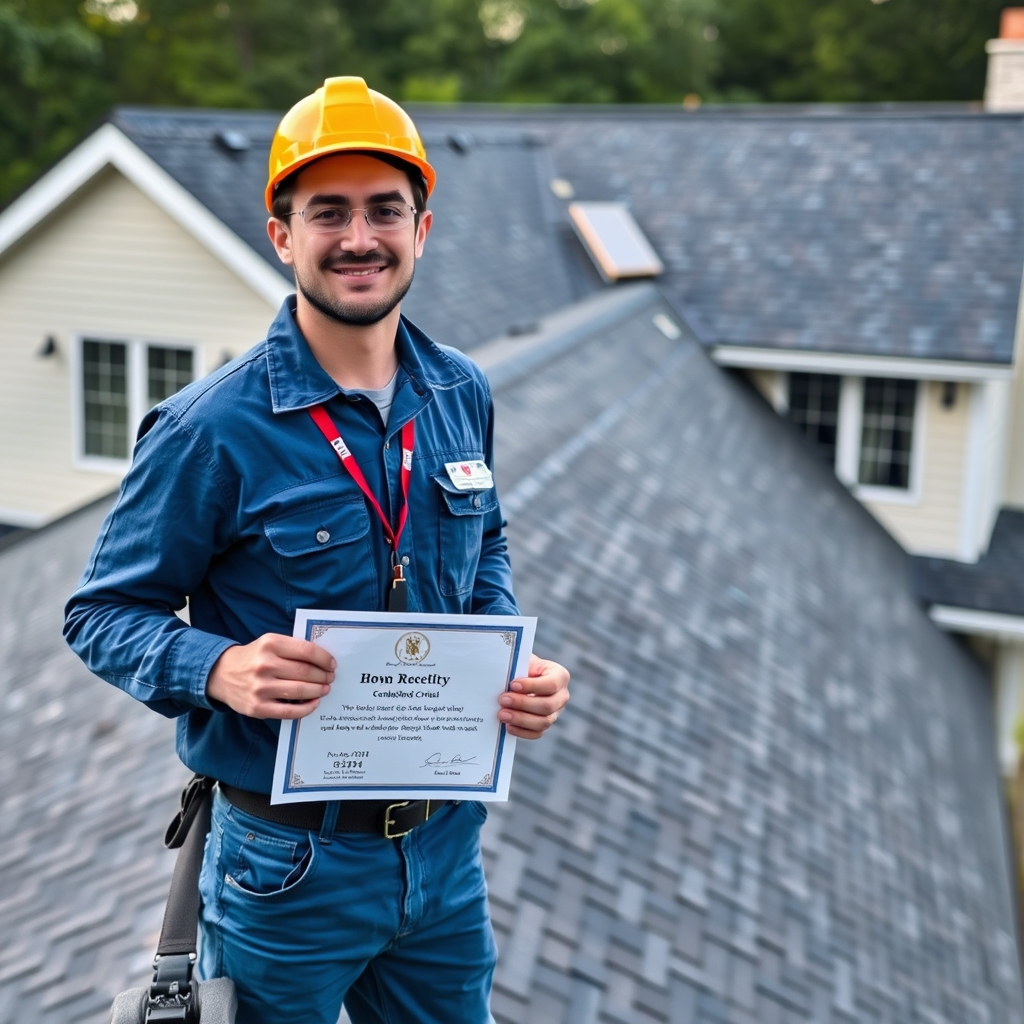
Look for contractors who can explain what they're doing and why. If a contractor can't tell you what ice and water shield is, or dismisses it as unnecessary, they don't know their trade. If they won't carry general liability insurance—the baseline protection for your property—they're not serious about standing behind their work.
Making Your Decision
After you've gathered estimates and checked insurance, here's what separates someone worth hiring from someone you should pass on. A contractor who is comfortable with a property manager's oversight, who involves you in decisions about materials or timelines, and who doesn't pressure you into decisions is someone worth working with. They know their reputation depends on your confidence in them, not your trust.
The best contractors we've worked with over the years aren't the cheapest. They're the ones who show up ready to answer questions, who deliver what they promised, and who clean up their mess before they leave. That kind of professionalism costs a little more upfront, but it saves you from weeks of friction and unexpected problems down the road.
Take the time to get this decision right. A roof job takes a few weeks. A bad roof job takes years to fix. You're not just hiring someone to do work—you're choosing who you're going to deal with if something goes wrong. Pick people you trust, because trust is what you're really paying for.